
Projects
Waste Management Facility – God’s Lake First Nation, MB
God’s Lake Narrows is a remote northern Manitoba community located on the shore of God’s Lake. The community is accessible primarily by air year-round and by a seasonal winter road, creating unique logistical, operational, and infrastructure delivery challenges. Historically, the community relied on local waste disposal practices that developed over time and were not designed to meet modern environmental protection standards or long-term waste management needs. Existing waste disposal areas presented increasing environmental, operational, and health and safety risks for the community.
This project evolved from a landfill replacement initiative into the development of a fully integrated waste management facility designed to support long-term environmental protection, operational reliability, and community capacity building. The facility was designed to support year-round operation, accommodate remote supply chain realities, and allow for phased expansion as community needs evolve.
This project required extensive collaboration between God’s Lake First Nation (GLFN) leadership, Keewatin Tribal Council (KTC) acting as project manager, Indigenous Services Canada (ISC) as funding partner, Dillon Consulting Limited (Dillon) as engineering lead, and the construction joint venture between Sigfusson Northern Ltd. and God’s Lake First Nation. This collaborative delivery model supported alignment between technical design, phased funding requirements, construction execution, and long-term community operational objectives.
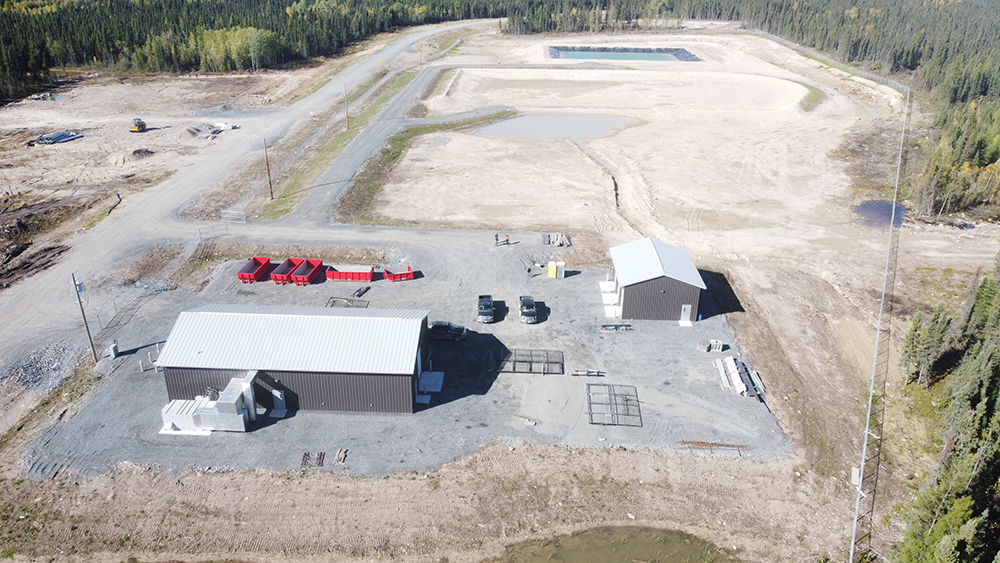
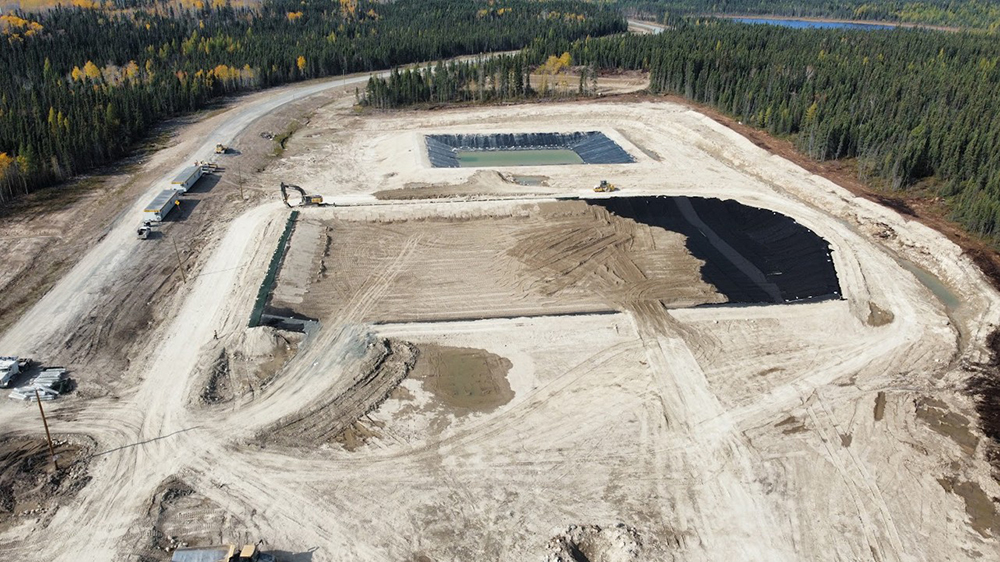
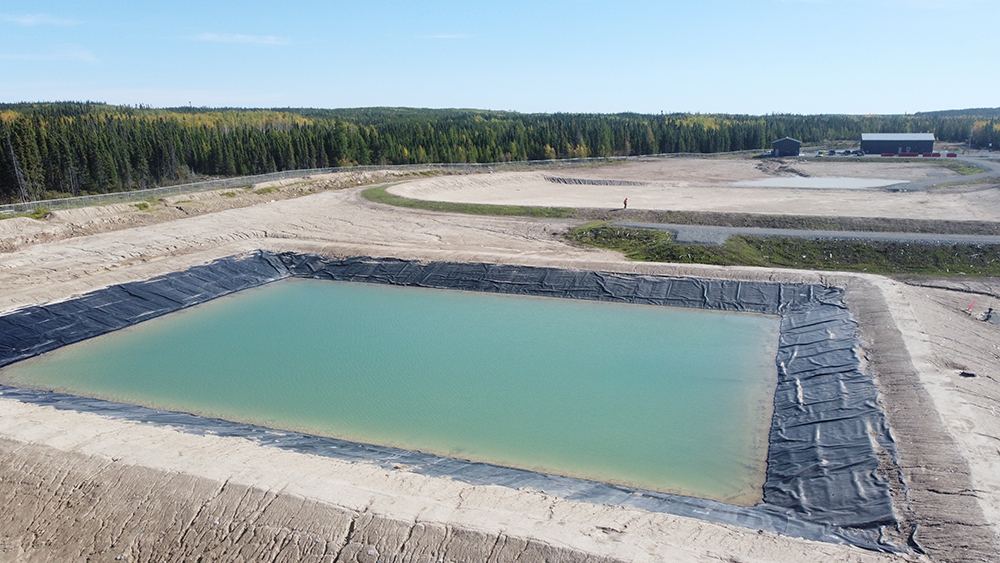
The GLFN Waste Management Facility was developed as part of a broader long-term integrated waste management strategy, rather than as a standalone infrastructure project. Early project phases included feasibility assessment, environmental and geotechnical investigations, wildlife and environmental baseline studies, and development of a Community Integrated Solid Waste Management Implementation Plan (CISWMIP). This planning approach allowed technical design decisions to be informed by environmental conditions, community priorities, and long-term operational sequencing realities.
Community engagement and collaboration with GLFN leadership were central to the planning process. Engagement sessions and technical workshops were conducted to understand existing waste management practices, identify community priorities, and evaluate potential facility locations. This process supported the selection of a site location that balanced environmental protection, long-term disposal capacity, accessibility, and construction feasibility while respecting community input and traditional land use considerations.
The integrated planning approach considered the full lifecycle of waste management within the community, including waste disposal, recycling and diversion opportunities, special waste handling, and long-term closure planning for legacy disposal areas. The new facility was designed to provide approximately 30 years of disposal capacity through phased landfill cell development while establishing the infrastructure needed to support future diversion and recycling programs. Material recovery, public drop-off, and recyclable storage areas were incorporated to support back-haul of recyclables and diverted materials during winter road seasons, reducing long-term disposal volumes and supporting regional waste management integration.
Project planning and delivery required adaptive coordination and collaboration between GLFN, KTC, ISC, Dillon, and the construction team. Variables included funding timing, remote logistics, and external factors including COVID-19 pandemic-related supply chain and construction impacts. Construction was ultimately delivered through multiple phases over several years, allowing critical environmental protection infrastructure to be implemented while maintaining waste management service continuity for the community. This phased implementation approach reduced project risk and allowed infrastructure delivery to remain aligned with available funding and seasonal construction windows.
Following site commissioning, operator training programs were delivered to support the transition to community-operated facility management. These programs focused on solid waste management best practices, safe facility operation, environmental monitoring, and long-term maintenance practices, supporting local capacity development and long-term facility sustainability. The new Waste Management Facility was designed in 2019, became operational in 2025, and is now operated by the community, supported by follow-up operator training and ongoing technical support to for long-term operational success and environmental performance.
Project Details
Project Partners: Indigenous Services Canada and God’s Lake First Nation
Business Unit: Waste Management
Service Offering: Waste Disposal Facility Design and Operations